



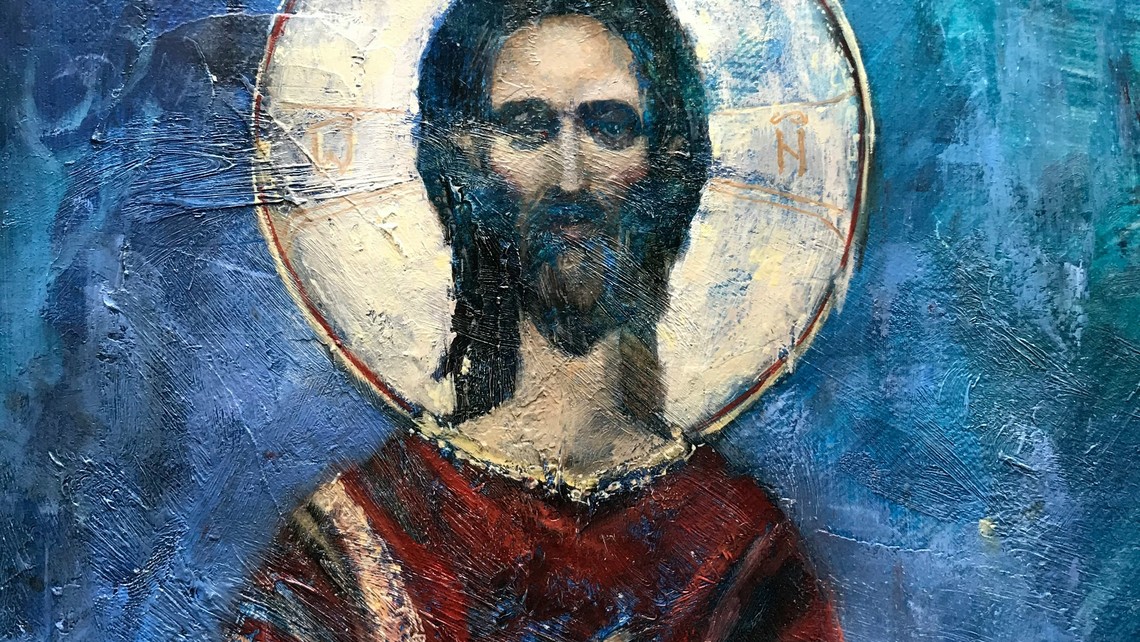
G.K. Chesterton once remarked that “One of the chief uses of religion is that it makes us remember our coming from darkness, the simple fact that we are created.” Chesterton’s description of religion reflects the frustration I received from a parent some time ago, who asked me what the purpose of teaching religion is. The context of the question was about his son’s religion classes at school. To put it mildly, he was astounded that all his son was learning about Jesus Christ was that he was a spiritual leader who sought to bring people together through His words and actions on the Cross. There is enough context in this last sentence to dismantle the description of Jesus as a mere spiritual leader and not the Son of God, or the Incarnate Word, or the Messiah. Dismissing the identity of Jesus Christ as the Second Person of the Holy Trinity for a spiritual leader is not a characteristic one would normally associate with Jesus Christ.
The reality of this situation reveals a very real dilemma, which is both subtle and aggressive when teaching the Catholic faith, regardless of the audience or the doctrinal subject matter. Religion that does not echo the teachings of Jesus Christ tends to morph into an alternate form of religious instruction. The art of teaching religion within the context of Catholicism requires a direct relationship with the Triune God, Father, Son, and Holy Spirit, and identity with the Son of God, Jesus Christ. These basic principles reveal the source of religion, which is the Trinity, and the content and method, which is Jesus Christ. When religion deviates from its Catholic identity, a tension develops, one of a battle for truth versus deception, good versus evil, salvation versus damnation.
At the heart of this tension is a battle between the spiritual and carnal. When this happens, a dilemma arises about how to address this tension with charity, prudence, and fortitude. The delivery of religious instruction is one aspect of this formula; the other is the requirement of the teacher to demonstrate how the practice of religion is to be lived for the salvation of the soul. If the aim of religion is the salvation of the soul, then the structure, content, and method of instruction cannot simply involve the regurgitation of information; the faith must be demonstrated in a clear and precise way that can be understood and lived. Echoing this sentiment, the Catechism has this to say about teaching religion:
Whoever is called “to teach Christ” must first seek “the surpassing worth of knowing Christ Jesus”; he must suffer “the loss of all things …” in order to “gain Christ and be found in him,” and “to know him and the power of his resurrection, and [to] share his sufferings, becoming like him in his death, that if possible [he] may attain the resurrection from the dead.[1]
The Catechism provides us with, I argue, a clear context of the dilemma of teaching religion, which requires us to bear the cross of Christ in conveying the truth of the Catholic faith in the face of persecution at all levels. The teaching of religion reflects the Catholic educator's identity as a disciple of Jesus Christ, one who is willing to demonstrate their faith at all costs. The Catholic educator teaches in reference to Christ and not to themselves. Again, the Catechism provides us with further context,
In catechesis, “Christ, the Incarnate Word and Son of God, … is taught—everything else is taught with reference to him—and it is Christ alone who teaches—anyone else teaches to the extent that he is Christ’s spokesman, enabling Christ to teach with his lips.… Every catechist should be able to apply to himself the mysterious words of Jesus: ‘My teaching is not mine, but his who sent me.[2]
The extent of the dilemma of teaching religion can only travel as far as the religion educator is willing to teach the truth of the Catholic faith in the face of hatred and hostility. The laissez-faire attitude that the religion educator may encounter from their audience can easily lead to ignorance, indifference, or outright rejection of anything that relates to God. When Jesus is confronted at the Temple during the Feast of the Tabernacles, the Jews are amazed at his knowledge and wonder how Jesus could teach with such wisdom. Jesus responds by informing them that his teaching comes from the Lord and not from himself.[3] He then reminds both Jew and Gentile that when you speak in the name of God, there is no falsehood in your words.[4]
When faced with the dilemma of teaching about the Eucharist, knowing the hostile rejection that would eventually ensue from both Jew and Gentile, He provides us with the following words of solace,
Jesus said to them, I am the bread of life; he who comes to me shall not hunger, and he who believes in me shall never thirst. But I said to you that you have seen me and yet do not believe. All that the Father gives me will come to me; and him who comes to me I will not cast out. For I have come down from heaven, not to do my own will, but the will of him who sent me; and this is the will of him who sent me, that I should lose nothing of all that he has given me, but raise it up at the last day. For this is the will of my Father, that everyone who sees the Son and believes in him should have eternal life; and I will raise him up at the last day.[5]
Latest Posts

When You Divorce the Sacraments from Your Life
When contemplating a relationship with Jesus Christ, would you rather be in the sight of him or be in a relationship with him? It...Read more

When You Divorce Christ from Your Ministry
There is a beautiful passage in St. John’s Gospel- yes, there are many- that unveils Christ’s love for humanity and reveals his power and...Read more

Our Relationship with God was never meant to be Anonymous
In the ever-developing apparatus of the social media platform, the intention was to bring attention to the message conveyed. The dynamic of all things...Read more
